
How Routine Pest Control Helps Prevent Major Infestations
Routine pest control services help prevent major infestations by regularly targeting pests before they become a problem, with local contractors equipped to keep your home pest-free.
If you're a property owner in the area wondering how to keep pests at bay, understanding the benefits of routine pest control can be a game-changer. Regular treatments help create a barrier that discourages pests from establishing themselves around your property, reducing the risk of larger infestations down the line. Local service providers can tailor these preventative measures to your specific needs, addressing common pests before they become a serious problem. Staying proactive with routine pest control not only preserves the comfort of your space but also minimizes potential damage and costly cleanup in the future.
Maintaining a pest-free property often hinges on consistent, preventative efforts. Routine pest control services from trusted local contractors focus on identifying and eliminating pest activity early, before it escalates into a major infestation. This approach can save property owners time, stress, and money by stopping pests before they spread. By exploring how routine pest control helps prevent major infestations, you can better understand the value of ongoing prevention and how local professionals are equipped to help keep your property protected.
- General pest prevention - homeowners noticing early signs of pests can rely on local contractors to implement routine pest control that targets common invaders before they become a major problem.
- Seasonal pest management - during peak pest activity times, local pros can provide ongoing treatments to keep pests from establishing large infestations.
- Pre-construction pest barriers - property owners planning renovations or new builds can work with local service providers to install preventative barriers that deter pests from entering structures.
- Annual pest inspections - regular evaluations by local contractors help identify potential pest issues early, preventing them from escalating into significant infestations.
- Preventative treatment plans - proactive pest control services tailored by local pros can maintain a pest-free environment and reduce the risk of major infestations over time.
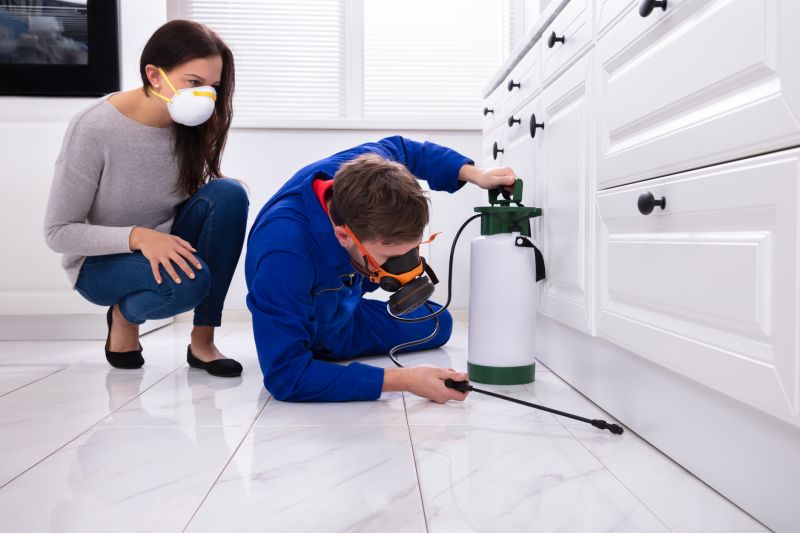

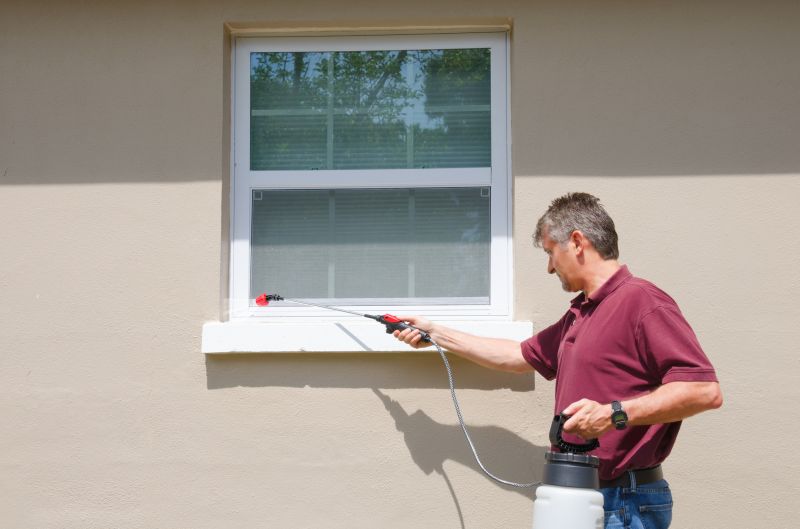
When people search for how routine pest control helps prevent major infestations, they are often looking to understand the importance of regular maintenance in keeping pests at bay. This approach involves scheduled treatments that target common household pests such as ants, cockroaches, spiders, and rodents before they become a serious problem. The goal is to establish a proactive plan that reduces the likelihood of pests gaining a foothold, rather than waiting until an infestation is already underway. Homeowners who seek this information typically want practical ways to protect their property and avoid the disruptions caused by large pest populations.
This topic relates closely to ongoing pest management strategies that address common issues faced in residential settings. Routine pest control plans focus on early detection and prevention, which can save time and money in the long run. These plans often include regular inspections, targeted treatments, and ongoing monitoring to address potential entry points and attractants. By establishing a consistent schedule, homeowners can reduce the chances of pests establishing nests or colonies, making it easier to manage pest populations before they grow into major infestations that can damage property or pose health risks.
The types of properties that frequently come up in discussions about routine pest control include single-family homes, townhouses, and multi-unit residential buildings. These properties often have yards, gardens, or shared walls that can serve as pathways for pests. Commercial properties, such as restaurants and retail stores, also benefit from routine pest control to maintain sanitation and compliance standards. Regardless of property size, the common factor is that regular treatments help create a barrier that prevents pests from entering or establishing themselves, which is especially important in environments where food storage or human activity attracts pests.
Local service providers who specialize in routine pest control are equipped to tailor their treatments to fit the specific needs of different properties. They assess the unique vulnerabilities of each location, such as entry points, landscaping, and structural features, to develop an effective prevention plan. These professionals work proactively to identify potential problem areas and implement solutions that keep pests from gaining a foothold. For homeowners, partnering with experienced local contractors ensures that routine pest control becomes an integral part of property maintenance, helping to prevent major infestations and maintain a pest-free environment over time.
Termite Inspection and Treatment - Professionals perform regular inspections and treatments to identify early signs of termite activity, helping to prevent large-scale infestations that can cause structural damage.
Rodent Control Projects - Local contractors utilize trapping, sealing, and baiting techniques to manage rodent populations, reducing the risk of major infestations in homes and businesses.
Spider and Insect Barrier Services - Service providers apply targeted barriers and treatments to key entry points, helping to keep spiders and other insects from establishing large colonies.
Wildlife Exclusion Projects - Experts install exclusion devices and seal entry points to prevent animals like raccoons and squirrels from nesting and causing infestations indoors.
Mosquito Control Programs - Local pros implement larvicide treatments and habitat reduction strategies to limit mosquito breeding sites and prevent large populations.
Pest Prevention Planning - Service providers develop customized pest management plans that focus on early detection and ongoing maintenance to stop infestations before they grow.
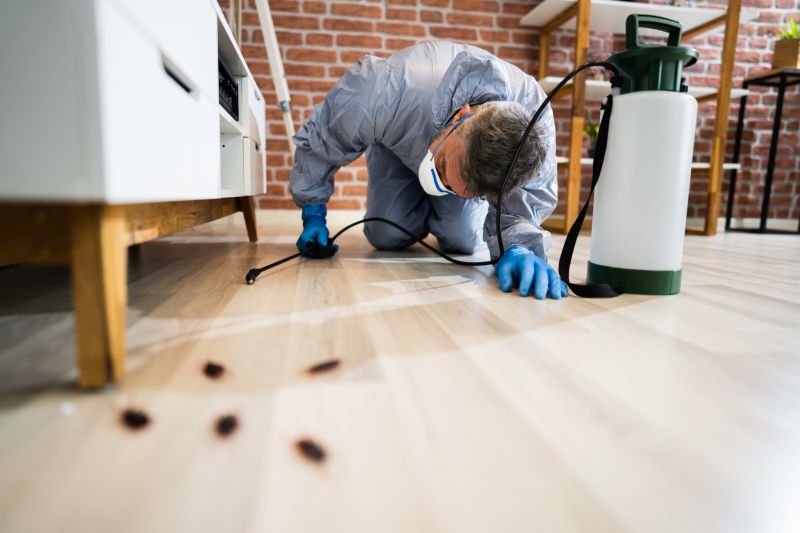
When comparing local service providers for routine pest control, it is important to consider their experience with similar projects. Homeowners should seek out contractors who have a proven track record in providing effective pest prevention services in residential settings comparable to their own. An experienced professional is more likely to understand the common pest threats in the area and tailor their approach to prevent major infestations before they become problematic. This familiarity can help ensure that the routine treatments are thorough and appropriately targeted, reducing the risk of pests establishing a foothold in the home.
Clear, written expectations are another key factor when evaluating local contractors. Homeowners benefit from detailed service descriptions that outline what the routine pest control will include, how often treatments are performed, and what results can reasonably be expected. Having this information in writing helps establish mutual understanding and ensures that both parties are aligned on the scope of work. It also provides a reference point should questions or concerns arise later, making it easier to assess whether the service provider is meeting the agreed-upon standards for preventing major pest issues.
Reputable references and good communication are essential when selecting a service provider for routine pest control. Homeowners should seek out local contractors with positive feedback from previous clients, which can offer insights into their professionalism, reliability, and effectiveness. Additionally, good communication-whether through prompt responses, clear explanations of treatment plans, or willingness to address questions-can make the process smoother and more transparent. Contractors who prioritize open dialogue and provide trustworthy references are more likely to deliver consistent, quality service that helps prevent pests from developing into major infestations.
Property owners often search for how routine pest control helps prevent major infestations when they are planning practical projects around their homes and businesses. Local pros provide Routine Pest Control services for everyday jobs and straightforward project options.
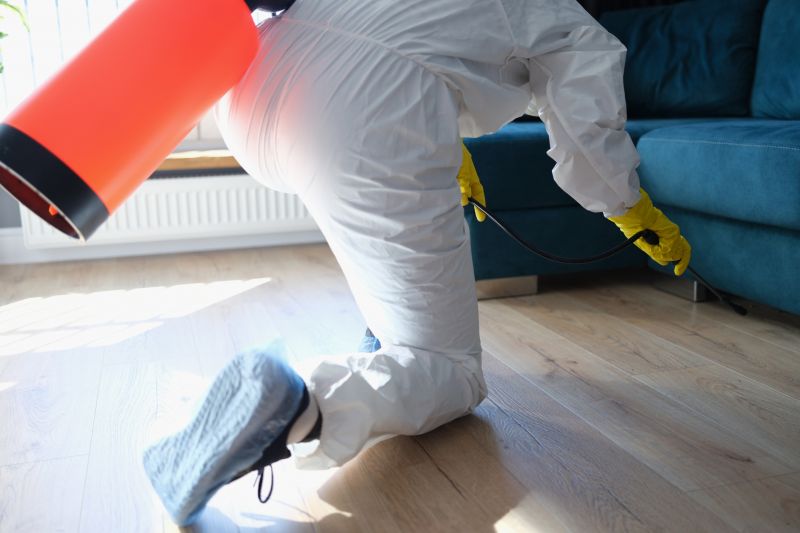
Routine pest control is an essential step for property owners looking to maintain a pest-free environment and prevent major infestations. Regular treatments by local contractors help address common pest issues before they escalate, reducing the likelihood of pests establishing long-term nests or colonies. For homeowners and business owners alike, staying proactive with scheduled pest management can save time and effort in the long run by catching early signs of pest activity and applying targeted solutions promptly.
Many property owners seek out routine pest control services because they want to protect their investments and ensure a comfortable, pest-free space. Local service providers offer ongoing inspections and treatments that help identify potential entry points or conditions conducive to pest problems. By partnering with experienced contractors, property owners can better manage pests proactively, avoiding the disruptive and costly consequences of major infestations that often require extensive remediation.
How does routine pest control help prevent major infestations? Routine pest control services target pests early, reducing their populations before they become difficult to manage, which helps prevent major infestations from developing.
Why is regular pest control important for infestation prevention? Regular treatments by local contractors help identify and eliminate pest activity promptly, stopping infestations before they grow out of control.
Can routine pest control address different types of pests? Yes, routine services are designed to manage a variety of pests by applying targeted treatments that prevent their populations from reaching problematic levels.
How do local service providers help maintain pest-free environments? They implement ongoing pest management strategies that monitor and treat potential problem areas, reducing the likelihood of large infestations.
What role does routine pest control play in long-term pest management? It establishes a proactive approach, continuously reducing pest activity and preventing pests from establishing large, hard-to-control populations.
Regular inspections - routine pest control services include scheduled visits to identify early signs of pest activity before they develop into major infestations.
Preventative treatments - applying treatments around the property helps keep pests from establishing colonies in hidden areas.
Identification of entry points - local contractors can spot and seal gaps or cracks that pests might use to access the building.
Education on pest-proofing - service providers often offer advice on everyday habits and property modifications to reduce pest attractants.
If you are thinking about how routine pest control helps prevent major infestations for a property, this guide is meant to help you understand this topic, the typical project types, and how different options might fit your plans.
When you are ready, you can use the quote form on this page to share a few details about your project. From there, local pros can review the basics and follow up with options that match what you have in mind.