
Seasonal Ant Activity and When to Schedule Pest Control Service
Understanding seasonal ant activity helps determine the best time to schedule pest control, and local service providers can effectively manage ant infestations during peak times.
Understanding seasonal ant activity and when to schedule pest control service is essential for property owners looking to protect their homes and outdoor spaces. As ant populations tend to fluctuate throughout the year, knowing the patterns of their activity can help prevent infestations before they become problematic. Local contractors who specialize in seasonal ant pest control can provide tailored advice and treatment options that align with these activity cycles, helping to keep properties ant-free during peak times.
For property owners in the area, being aware of the seasonal nature of ant behavior offers practical benefits, such as reducing the likelihood of surprise invasions and minimizing the need for extensive treatments later on. Scheduling pest control services at the right times can also support ongoing property maintenance efforts. Local service providers are equipped to assess seasonal trends and recommend appropriate treatment schedules, ensuring that homes and yards remain protected throughout the year. Keep reading to learn more about how understanding ant activity patterns can help maintain a pest-free environment.
- Seasonal ant pest control - local contractors are often needed when ant activity increases during specific seasons, and they use targeted treatments to manage infestations.
- Spring ant prevention - as ant colonies become active in early warm months, service providers can implement preventative measures to reduce future problems.
- Summer ant control - during peak ant activity in hot months, local pros can provide effective treatments to eliminate active colonies and prevent spread.
- Fall ant inspections - as ant populations decline, professionals can assess property conditions to identify potential entry points and plan for winter protection.
- Winter ant management - in colder months, service providers can address indoor ant issues and help prevent them from seeking warmth inside homes.

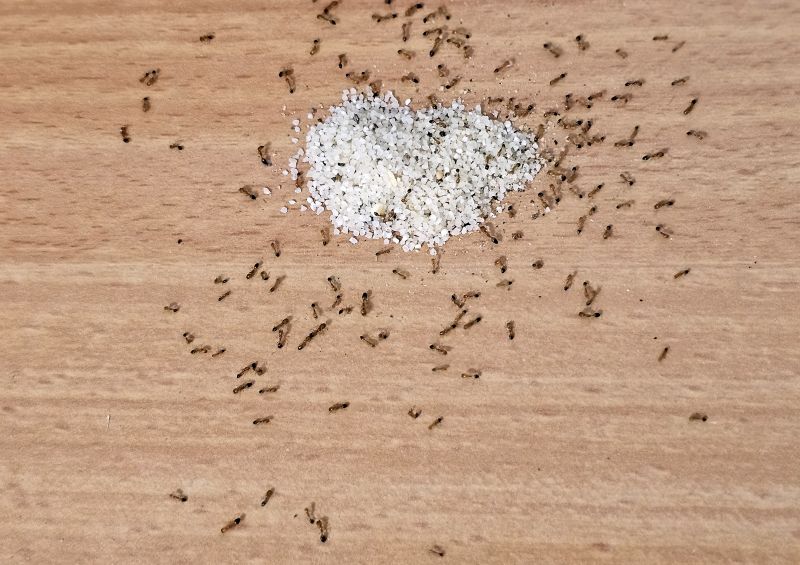
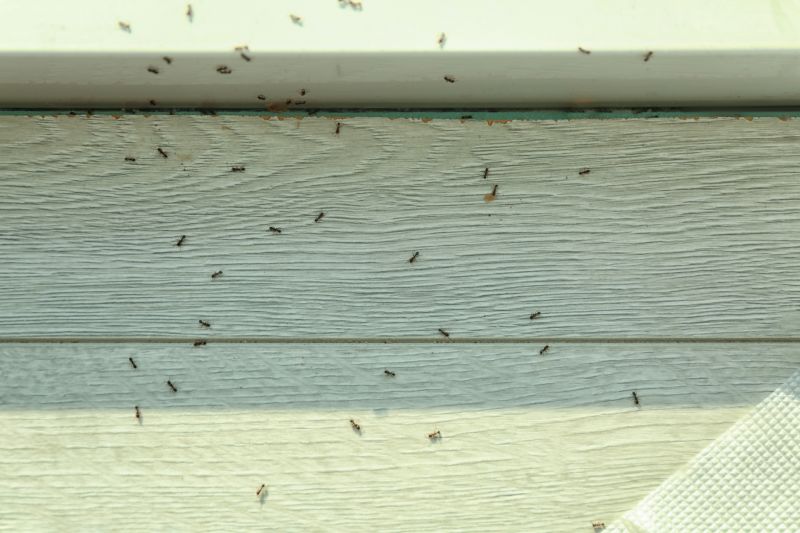
Understanding seasonal ant activity and when to schedule pest control service is a common concern among homeowners who notice increased ant presence during certain times of the year. People searching this topic are often dealing with persistent ant sightings around their property, especially during specific seasons when ants tend to be more active. These searches relate to plans for pest prevention, ongoing control measures, or addressing infestations that have already become problematic. Typically, properties affected include residential homes, especially those with gardens, lawns, or nearby wooded areas, as well as multi-family buildings and commercial properties that provide favorable conditions for ant colonies.
Seasonal ant activity is heavily influenced by weather patterns and environmental conditions. In warmer months, ants become more active as they forage for food and establish new colonies, making this the prime time for infestations to grow. Conversely, during colder months, ant activity usually diminishes, but some species may seek shelter indoors, leading to unexpected indoor sightings. Homeowners often want to know the best time to schedule pest control service to prevent or reduce ant problems before they escalate. Local service providers can assess local climate patterns and ant behavior to recommend optimal treatment times, helping to keep properties protected throughout the year.
The types of properties that frequently experience seasonal ant activity include single-family homes, apartment complexes, and commercial buildings with outdoor spaces. Homes with accessible entry points, such as cracks or gaps around windows and doors, are particularly vulnerable. Properties with gardens, mulch beds, or wood piles can attract ants and provide ideal nesting sites. For businesses, especially those in food service or hospitality, managing ant activity is critical for maintaining hygiene standards and customer satisfaction. Local contractors specializing in pest control can tailor treatment plans to the specific property type and seasonal risks, ensuring effective management of ant populations during peak activity periods.
To effectively manage seasonal ant activity, homeowners should consider scheduling pest control services ahead of anticipated peak times, such as late spring or early summer. These treatments often involve applying barriers or targeted baits to prevent colonies from expanding or re-establishing. Engaging with local pros ensures that treatments are suited to the specific ant species prevalent in the area and the unique features of the property. Proper timing and professional intervention can help reduce the likelihood of infestations, minimize damage, and keep living or working spaces comfortable and pest-free throughout the year.
Home Inspection Services - these projects involve assessing property conditions, which can include identifying ant entry points and nesting areas relevant to seasonal ant activity.
Pest Prevention Planning - planning and implementing strategies to reduce pest entry and infestation risks aligns with scheduling pest control based on seasonal ant activity patterns.
Landscape Maintenance - managing yard and garden health can help reduce ant habitats and support effective pest control timing during peak ant activity seasons.
Exterior Cleaning Services - thorough cleaning of building exteriors can eliminate ant attractants and prepare properties for optimal pest control application.
Rodent Control Projects - these often overlap with ant control efforts, as both pests can share nesting sites and require similar seasonal timing considerations.
Structural Repair Services - fixing cracks, gaps, and other entry points helps prevent ant invasions and complements pest control schedules during active seasons.
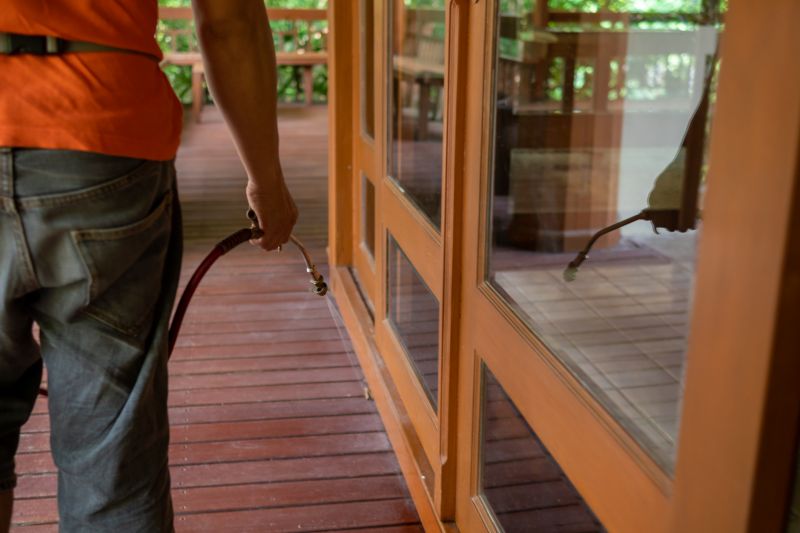
When evaluating service providers for seasonal ant activity and when to schedule pest control service, it’s important to consider their experience with similar projects. An experienced contractor will have a better understanding of the patterns of ant activity throughout the year and can recommend the most effective timing for treatments to prevent infestations. They should be familiar with common ant species in the area and know how to tailor their approaches accordingly. This expertise can help ensure that the pest control measures are both timely and targeted, reducing the likelihood of recurring problems.
Clear, written expectations are crucial when comparing local contractors for seasonal ant pest control. Pros should be able to outline what their service includes, such as inspection, treatment methods, and follow-up procedures. This transparency helps homeowners understand what to expect and ensures there are no surprises after the work is completed. Additionally, reputable service providers will be willing to discuss the scope of the project and answer questions about seasonal patterns of ant activity, so homeowners can make informed decisions about when to schedule treatments for optimal results.
Good communication and reputable references are essential factors to consider when selecting a service provider. A professional contractor should be responsive, providing clear explanations about the timing of treatments in relation to seasonal ant activity and how these services can help manage pest populations effectively. Asking for references or reviews from previous clients can provide insights into the contractor’s reliability and quality of work. Reliable communication and positive references can help homeowners feel confident that the chosen service provider will deliver consistent, effective pest control services aligned with seasonal ant behavior and scheduling needs.
Property owners often search for seasonal ant activity and when to schedule pest control service when they are planning practical projects around their homes and businesses. Local pros provide Seasonal Ant Pest Control services for everyday jobs and straightforward project options.
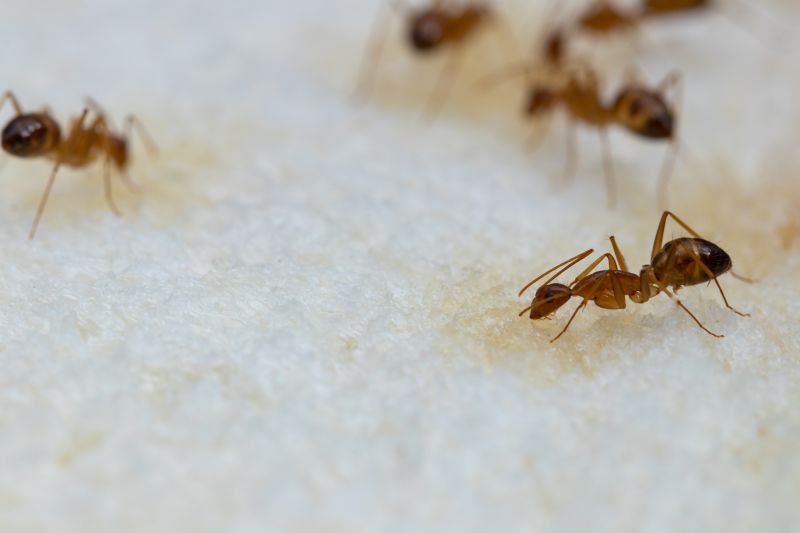

Understanding seasonal ant activity and when to schedule pest control service can help property owners better prepare for ant infestations throughout the year. As temperatures change, ants tend to become more active, especially during warmer months when they search for food and nesting sites. Recognizing these patterns allows property owners to take proactive steps, such as scheduling pest control treatments with local contractors who specialize in ant management, to help prevent larger infestations before they develop.
Timing is key when it comes to effective ant control. Many local service providers recommend scheduling pest control services in anticipation of peak ant activity, which often occurs during spring and summer. Property owners seeking to keep their homes and outdoor spaces protected might consider consulting with local contractors to determine the best time for treatments, ensuring that ant populations are managed before they become a significant nuisance. Regular inspections and treatments tailored to seasonal changes can help maintain a pest-free environment year-round.
When is the peak season for ant activity? Ant activity tends to increase during warm months, typically in spring and summer, making it an ideal time to schedule pest control services with local contractors to prevent infestations.
How do seasonal changes affect ant behavior? Seasonal changes influence ant foraging and nesting habits, with many species becoming more active in warmer weather, which is when pest control services can be most effective.
When should I consider scheduling ant pest control services? Scheduling pest control services before ant activity peaks, usually in early spring, can help prevent infestations during the warmer months when ants are most active.
Are certain seasons better for ant control treatments? Yes, treatments are often most effective when timed ahead of peak ant activity seasons, allowing local contractors to reduce the likelihood of an infestation during busy months.
How can I tell if ant activity is seasonal or a sign of a larger problem? Increased ant activity during warmer months is typical, but persistent or unusual activity outside these periods may indicate a need for professional pest control assessment from local service providers.
Monitor ant activity seasons - property owners can observe patterns of ant activity throughout the year to identify peak times and plan pest control services accordingly with local contractors.
Schedule preventative treatments - arranging pest control services ahead of anticipated ant activity peaks can help prevent infestations before they start.
Identify high-risk periods - understanding when ants are most active enables property owners to time pest control visits for maximum effectiveness with local service providers.
Implement ongoing maintenance plans - working with local pros to develop seasonal pest management strategies ensures continuous protection against ants year-round.
If you are thinking about seasonal ant activity and when to schedule pest control service for a property, this guide is meant to help you understand this topic, the typical project types, and how different options might fit your plans.
When you are ready, you can use the quote form on this page to share a few details about your project. From there, local pros can review the basics and follow up with options that match what you have in mind.